Showing posts with label Spiritual Connection. Show all posts

Friday, April 19, 2024

Yoga and Dance Fusion: Combining Two Forms of Expression


In the world of movement and expression, where grace meets mindfulness, there exists a captivating fusion known as Yoga Dance. It's an enchanting blend that seamlessly intertwines the fluidity of dance with the serenity of yoga. Let's embark on a journey into this multidimensional realm, exploring its nuances and the profound impact it can have on our well-being.

The Fusion Unveiled:

Person doing yoga pose and then Dance pose

Yoga dance transcends the boundaries of traditional disciplines, weaving together the elegance of yoga asanas with the rhythmic movements of dance. Picture gracefully transitioning from a warrior pose into a fluid pirouette—it's a symphony of strength, flexibility, and self-expression. This fusion invites practitioners to embody the essence of both disciplines, embracing the union of mind, body, and spirit.

Embracing Joy: The Kripalu Connection:

group of people performing yoga dance


At the heart of this fusion lies the philosophy of joyous expression, epitomized by Kripalu's "Joy of Letting Your Yoga Dance." This approach encourages playfulness, creativity, and authentic self-expression. By synchronizing yoga with music and dance, it becomes a vibrant and accessible avenue for personal exploration and growth.

Harmonizing Energies:

Representation of Balancing aura energies

Central to the practice of yoga dance is the harmonization of the body's energy centers, known as chakras. As practitioners move through the dance, they journey from the grounding lower chakras to the expansive realms of the higher ones. This rhythmic flow of energy balances and revitalizes the entire being, fostering a sense of harmony and vitality.

Unveiling the Benefits:

showing physical benefits of yoga dance

Physical Fitness: The fusion of yoga and dance offers a holistic approach to physical well-being. Yoga enhances muscular strength and flexibility, while dance promotes agility, coordination, and cardiovascular health.

showing mental well being in aura

Mental Well-Being: Through the joy of movement and expression, yoga dance becomes a powerful tool for cultivating mental resilience and emotional balance. Dancing releases endorphins, the body's natural mood elevators, while yoga fosters mindfulness and inner peace.

showing spiritual well being

Spiritual Connection: Beyond the realm of the physical and mental, yoga dance nurtures a profound sense of spiritual connection. By aligning and activating the chakras, practitioners embark on a sacred journey of self-discovery and inner transformation.

The Relevance of Yoga Dance Today:

In an era marked by uncertainty and upheaval, the practice of yoga dance emerges as a beacon of hope and healing. It serves as a sanctuary for seekers of solace and serenity, offering a sanctuary amidst the chaos. Now, more than ever, we are called to embrace the transformative power of movement, music, and mindfulness.

Conclusion:

Whether swaying to the rhythm of classical melodies, pulsating tribal beats, or the tranquil ambiance of quiet disco yoga, the fusion of yoga and dance invites us to embrace our innate capacity for expression, healing, and growth. In the dance of life, let us harmonize our energies, celebrate our unique essence, and journey towards wholeness, one graceful step at a time.


Wednesday, April 10, 2024

Are Kamasutra and Yoga Related? Lets Exploring the Connection


Couple loving each other Kamasutra

Introduction:

The intricate tapestry of Indian culture weaves together various ancient traditions, two of the most captivating being the Kamasutra and yoga. Often perceived as disparate realms—one focusing on the art of lovemaking and the other on spiritual enlightenment—these practices share profound connections that merit exploration. In this comprehensive analysis, we embark on a journey to unravel the nuanced relationship between the Kamasutra and yoga, delving deep into their historical origins, philosophical underpinnings, and practical manifestations.


Historical Context:

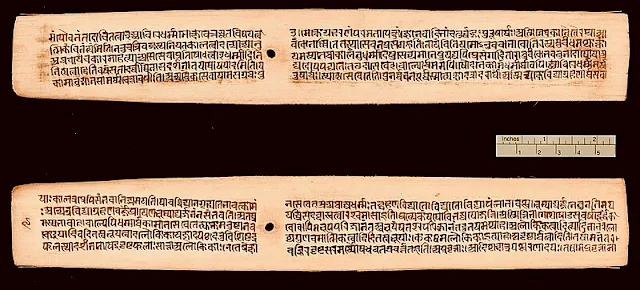
Old Ancient Text of Kamasutra


To understand the intertwined nature of Kamasutra and yoga, we must first grasp their historical contexts. The Kamasutra, attributed to the sage Vatsyayana, emerges as a seminal text on human sexuality and relationships, dating back to the 2nd century CE. It transcends mere instruction manuals, offering a holistic exploration of love, desire, and the complexities of human relationships within the socio-cultural milieu of ancient India.


In parallel, yoga emerges from the spiritual and philosophical traditions of ancient India, with its roots embedded in the Vedas and Upanishads. The Yoga Sutras of Patanjali, compiled around 400 CE, serve as a guiding light, illuminating the path towards self-realization and liberation through the systematic practice of yoga. From its nascent stages to its diverse manifestations in contemporary times, yoga has evolved as a multifaceted discipline encompassing physical postures (asanas), breath control (pranayama), meditation (dhyana), and ethical precepts (yamas and niyamas).


Kamasutra Old Images

Interconnection of Principles:

At the core of both Kamasutra and yoga lie fundamental principles that resonate across time and space, transcending the boundaries of culture and tradition.


1. Embodiment and Sensuality: 

The Kamasutra celebrates the physical body as a sacred vessel for sensual pleasure and self-expression. It offers a nuanced exploration of eroticism, advocating for the cultivation of intimacy and mutual pleasure within the context of loving relationships. Similarly, yoga acknowledges the body as a temple, emphasizing the importance of physical health and vitality as prerequisites for spiritual growth. Through the practice of asanas and pranayama, yoga cultivates a heightened awareness of bodily sensations, fostering a deeper connection between the individual self and the cosmic whole.


2. Mindfulness and Presence: 

Both Kamasutra and yoga extol the virtues of mindfulness and present-moment awareness. Whether engaged in the art of lovemaking or performing yoga postures, practitioners are encouraged to be fully present, attuned to the subtleties of sensation, emotion, and thought. By cultivating mindfulness, individuals can transcend the distractions of the past and future, anchoring themselves in the richness of the present moment.


3. Balance and Moderation: 

Central to both disciplines is the principle of balance and moderation. While the Kamasutra advocates for a harmonious equilibrium between pleasure and restraint, yoga promotes moderation in all aspects of life, including diet, sleep, and sensory stimulation. By striking a delicate balance between indulgence and asceticism, practitioners can navigate the complexities of human existence with grace and equanimity.


4. Connection and Union: 

At its essence, both Kamasutra and yoga are expressions of the universal yearning for connection and union. Whether seeking intimacy with a beloved partner or communion with the divine, practitioners aspire towards a state of oneness that transcends the limitations of the ego. While the Kamasutra explores the physical and emotional dimensions of union between lovers, yoga offers a path towards spiritual awakening and self-realization. Through practices such as meditation, mantra recitation, and devotion (bhakti), yoga fosters a deep sense of interconnectedness with all beings and the cosmos at large.


Practical Overlaps:

People doing Yoga in a modern studio


While the philosophical parallels between Kamasutra and yoga are evident, practical overlaps also abound, particularly within the realms of Tantra and Kundalini yoga.


1. Tantra: 

Often regarded as the spiritual sibling of the Kamasutra, Tantra encompasses a diverse range of esoteric practices aimed at harnessing and transmuting sexual energy for spiritual growth. Drawing upon principles of ritual, visualization, and breathwork, Tantra offers a holistic approach to intimacy that transcends mere physical gratification. Through the cultivation of sacred sexuality, practitioners can attain profound states of ecstasy and union, forging a deep connection between the earthly and the divine.


2. Kundalini Yoga: 

Rooted in the Tantric tradition, Kundalini yoga focuses on awakening the dormant energy (kundalini) believed to reside at the base of the spine. Through a combination of physical postures, breathwork, and meditation, practitioners seek to stimulate the upward movement of Kundalini energy, traversing the seven energy centers (chakras) along the spinal column. As Kundalini energy ascends, individuals may experience states of heightened awareness, ecstatic bliss, and spiritual illumination, culminating in the union of individual consciousness with the universal divine.


Conclusion:

In conclusion, the relationship between Kamasutra and yoga transcends conventional categorizations, embodying a rich tapestry of philosophical, spiritual, and practical insights. Whether exploring the depths of human desire or ascending the peaks of spiritual realization, practitioners of both disciplines share a common quest for meaning, connection, and transcendence. By embracing the interplay between sensuality and spirituality, intimacy and enlightenment, individuals can embark on a transformative journey of self-discovery and holistic well-being. In essence, the union of Kamasutra and yoga offers a path towards profound integration and wholeness, guiding us towards the realization of our highest potential as human beings.